

Introduction
In today's modern world, where businesses and industries rely heavily on electricity to function efficiently, power outages can bring operations to a standstill. To prevent such disruptions and ensure continuity, many organizations invest in standby power solutions such as diesel generators. Diesel generators are a reliable and cost-effective choice for providing backup power during emergencies or outages. In this article, we will delve into the world of diesel generators, exploring their functionality, benefits, maintenance requirements, and key considerations for selecting the right generator for your needs.
Understanding Diesel Generators
Diesel generators are power generation systems that use diesel fuel to produce electricity. They consist of an engine that runs on diesel fuel and a generator that converts the mechanical energy generated by the engine into electrical energy. Diesel generators are commonly used as standby power sources in various applications, including commercial buildings, industrial facilities, hospitals, data centers, and residential properties.
One of the primary advantages of diesel generators is their reliability. Diesel engines are known for their durability and robustness, making them well-suited for continuous operation and heavy-duty applications. Diesel generators can provide backup power for extended periods, ensuring that critical systems and equipment remain operational during power outages.
Benefits of Diesel Generators for Standby Power
There are several key benefits to using diesel generators for standby power:
1. Reliability: Diesel generators are highly reliable and can provide continuous power for extended periods without interruption. This reliability is crucial for businesses and industries that cannot afford downtime due to power outages.
2. Fuel Efficiency: Diesel engines are more fuel-efficient than their gasoline counterparts, providing more power output for the same amount of fuel. This efficiency translates to lower operating costs over the lifespan of the generator.
3. Longevity: Diesel generators are known for their longevity and durability. With proper maintenance and care, a diesel generator can last for many years, providing reliable backup power when needed.
4. Quick Start-Up: Diesel generators are capable of starting up quickly and reaching full power output within minutes, making them ideal for applications where immediate power is required.
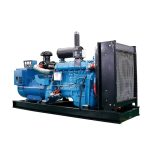
5. Low Total Cost of Ownership: While the upfront cost of a diesel generator may be higher than other types of generators, the lower operating costs, fuel efficiency, and longevity of diesel generators make them a cost-effective choice in the long run.
6. Wide Range of Sizes: Diesel generators are available in a wide range of sizes and power capacities, making it easy to find a generator that meets the specific power requirements of your application.
Maintenance Requirements for Diesel Generators
Proper maintenance is essential to ensure the reliable operation of diesel generators. Regular maintenance tasks help prevent breakdowns, extend the lifespan of the generator, and optimize its performance. 200kw diesel generator for industrial applications for diesel generators include:
1. Regular Inspections: Conduct routine visual inspections of the generator, checking for signs of wear, leaks, or damage. Inspect the fuel system, cooling system, electrical connections, and engine components regularly.
2. Oil and Filter Changes: Regularly change the oil and oil filters in the diesel engine to ensure proper lubrication and prevent engine damage. Follow the manufacturer's recommendations for oil change intervals based on the operating hours of the generator.
3. Fuel System Maintenance: Keep the fuel system clean and free of contaminants by using clean fuel and regularly inspecting the fuel filters and fuel lines. Water and contaminants in the fuel can damage the engine and reduce its efficiency.
4. Cooling System Maintenance: The cooling system of the diesel generator plays a crucial role in regulating the engine temperature. Regularly check the coolant level, inspect the radiator and hoses for leaks or damage, and ensure proper circulation of coolant.
5. Battery Maintenance: Diesel generators rely on batteries to start the engine and provide backup power. Keep the batteries charged, clean the terminals regularly, and replace old or damaged batteries promptly to prevent starting failures.
6. Load Testing: Periodically conduct load tests on the diesel generator to ensure that it can handle the required electrical load during an outage. Load testing helps identify any issues with the generator's performance and allows for corrective actions to be taken.
Key Considerations for Selecting a Diesel Generator
When choosing a diesel generator for standby power, there are several key considerations to keep in mind to ensure that you select the right generator for your needs:
1. Power Requirements: Determine the power requirements of your application to select a generator with the appropriate power capacity. Consider both the continuous power rating and the standby power rating of the generator to ensure it can handle the electrical load.
2. Fuel Efficiency: Look for a diesel generator that is fuel-efficient to minimize operating costs over time. Consider the fuel consumption rate of the generator and choose a model that offers optimal fuel efficiency.
3. Noise Levels: Diesel generators can be noisy during operation, so consider the noise levels of the generator when selecting a model. Choose a generator with soundproofing features or consider installing the generator in a soundproof enclosure to reduce noise levels.
4. Emissions Regulations: Ensure that the diesel generator complies with local emissions regulations and environmental standards. Choose a generator that meets emission requirements to minimize environmental impact and ensure compliance with regulations.
5. Maintenance Requirements: Consider the maintenance requirements of the diesel generator, including oil changes, filter replacements, and routine inspections. Choose a generator that is easy to maintain and service to minimize downtime and ensure reliable operation.
6. Budget: Establish a budget for purchasing and installing the diesel generator, taking into account the initial cost, operating costs, maintenance costs, and any additional expenses such as installation, fuel storage, and accessories.
Conclusion
Diesel generators are a reliable and cost-effective solution for providing standby power in various applications. Their durability, fuel efficiency, quick start-up, and longevity make them a popular choice for businesses, industries, and residential properties seeking reliable backup power solutions. By understanding the functionality, benefits, maintenance requirements, and key considerations for selecting a diesel generator, you can make an informed decision when choosing a generator for your standby power needs. Invest in a quality diesel generator, perform regular maintenance, and ensure proper operation to enjoy continuous and reliable backup power during emergencies and outages.